UNVEILING THE FASCINATING HISTORY OF THE KUKRI KNIFE
Unveiling the Kukri
The Kukri knife, with its distinctive curved blade, holds a fascinating history deeply rooted in Nepal. Originating from this culturally rich region, the Kukri has played dual roles as both a traditional weapon and a versatile tool. Its significance extends beyond being just a blade; it embodies the cultural heritage and warrior spirit of the Nepalese people.
Fun Fact: The Kukri knife is also known as the Gurkha knife, reflecting its historical association with the brave Gurkha soldiers.
Origins of the Kukri
Historical Roots
- The history of the Kukri knife can be traced back to ancient times in Nepal, where it held a significant role in various aspects of life. From daily chores to ceremonial rituals, the Kukri was an indispensable tool for the people of Nepal, reflecting its deep integration into Nepalese culture and tradition.
- This iconic blade was not only a practical tool but also a symbol of strength and resilience, embodying the spirit of the Nepalese people throughout history.
Cultural Significance
- Within Nepalese folklore and traditions, the Kukri knife occupies a revered position. It is often associated with tales of heroism and valor, representing the bravery and courage deeply ingrained in Nepalese society.
- The Kukri's presence in rituals and ceremonies further emphasizes its cultural significance, signifying protection and honor within the community.
Fun Fact: The unique shape of the Kukri knife's blade is said to be inspired by the form of a fierce animal's claw, adding to its mystique and symbolism in Nepalese culture.
Gurkha Legacy
Warrior Tradition
The legacy of the Kukri knife intertwines deeply with the revered traditions of the Gurkha soldiers, known for their unwavering bravery and valor. For centuries, these Nepalese warriors have forged a historical bond with the Kukri, utilizing it not only as a formidable weapon but also as a versatile tool in their daily lives. The Kukri's association with the Gurkha soldiers is a testament to its integral role in their warrior tradition, symbolizing strength and resilience in the face of adversity.
Symbol of Honor
Embodying the spirit of honor and loyalty, the Kukri knife stands as an iconic emblem of the Gurkha soldiers' identity and heritage. It represents far more than just a blade; it encapsulates the courage and indomitable spirit that define the Gurkhas. As an essential part of their cultural legacy, the Kukri holds profound significance, reflecting the enduring bravery and unwavering commitment of these esteemed warriors.
Versatile Blade
Functional Design
The Kukri knife's distinctive curvature and razor-sharp edge contribute to its exceptional cutting and chopping capabilities. This functional design allows for effortless slicing through various materials, making it an indispensable cutting tool for a wide range of tasks. Whether it's preparing food, clearing vegetation, or crafting shelter in the wilderness, the Kukri's design enables precision and efficiency.
Fun Fact: The unique shape of the Kukri blade not only enhances its cutting prowess but also provides added strength for demanding tasks, setting it apart as a truly versatile blade.
Modern Applications
In contemporary contexts, the Kukri knife has transcended its traditional role and found relevance in modern applications. Renowned for its robust build and sharp edge, the Kukri is highly valued for its functionality in outdoor activities such as camping, hiking, and bushcraft. Its enduring legacy as a reliable cutting tool has also made it an essential companion in survival situations where its multifaceted design proves invaluable.
- Craftsmanship
- Utility
- Durability
Legacy of the Kukri
The enduring legacy of the Kukri knife stands as a testament to its profound historical and cultural significance. Revered for its dual role as a traditional weapon and versatile tool, the Kukri continues to enthral history enthusiasts and weapon aficionados worldwide. Its rich heritage, deeply rooted in Nepalese culture, exemplifies the resilience and bravery of the Gurkha soldiers, further solidifying its iconic status in the realm of bladed weaponry.
.jpg/:/cr=t:0%25,l:0%25,w:100%25,h:100%25/rs=w:1280 "ASH LE18 CUSTOM HANDMADE HUNTING KUKRI KNIFE 440C STEEL 14.5 INCHES")
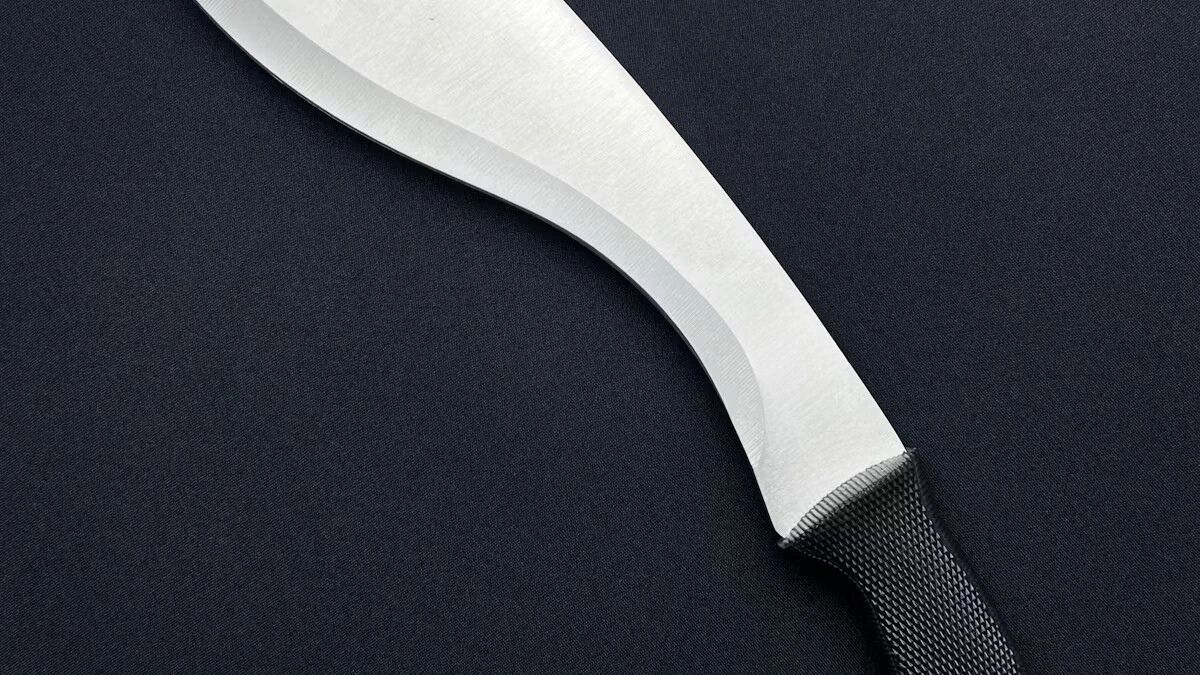
- The Kukri Knife: The focal point of the image, a Kukri knife is easily recognizable by its distinctive, inwardly curved blade. The blade's shape is similar to a machete but with a more pronounced curve, often used for chopping and as a weapon. The knife might be displayed lying flat, held in someone's hand, or in a sheath.
- Background: Depending on the intent of the photograph, the background could vary. For a historical or traditional portrayal, the background might include elements that suggest Nepalese culture or the Gurkha warriors, such as traditional fabrics, the rugged terrain of Nepal, or historical artifacts. For a more utilitarian or outdoor usage depiction, the background might be a natural setting, like a forest or campsite, emphasizing the knife's role in survival and outdoor activities.
- Details and Craftsmanship: The image might also focus on the knife's craftsmanship, highlighting the texture and patterns on the blade, which can range from simple and functional to highly ornate with engravings and decorations. The handle of the knife, which can be made from various materials including wood, horn, or modern composites, may also be detailed, showing the ergonomic design intended for a firm grip.
- Additional Elements: Some images might include additional elements to tell a story or convey more information about the knife's use, such as materials for knife maintenance, other traditional Nepalese items, or awards and recognitions related to the Gurkha soldiers.


Comments
Post a Comment