Essential Knife Types for Home Cooks – What Do You Need?
This article will teach you how to select the best knife for any kitchen duty, from boning and butcher knives to vegetable and chef's knives.
It's not always easy to figure out which knife you need for a specific cooking or food preparation operation. This manual will teach you everything you need to know about selecting the best knife for your needs, from boning and butcher knives to vegetable and chef's blades.
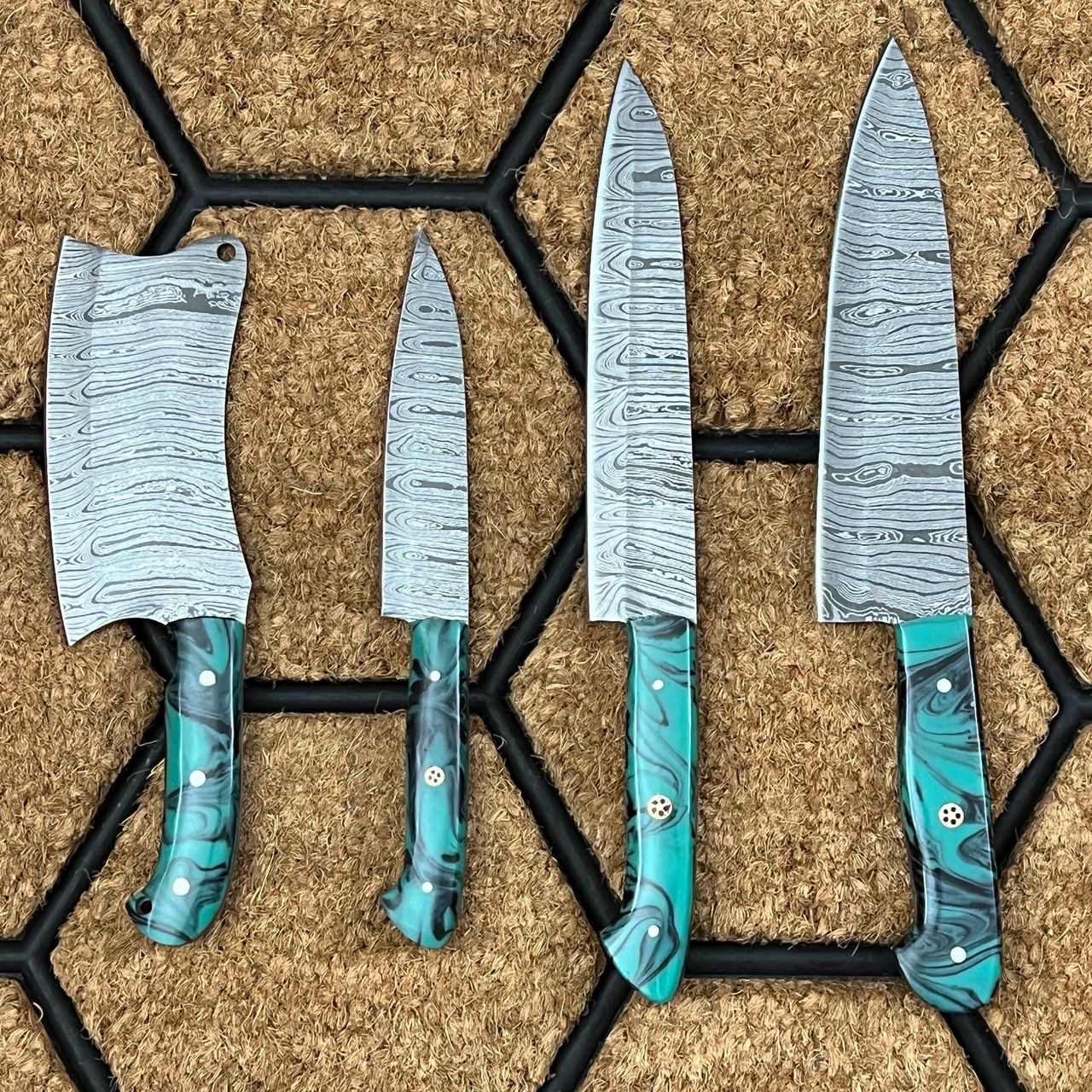
Paring Knives
One of the most useful instruments in a kitchen is a paring knife, which is normally between two and four inches in length. You can use them to cut through tough meat, remove extra fat from meat, mince garlic and herbs, peel fruits and vegetables, and chop small objects like olives and cheese cubes. Good grade paring knives have rust-resistant stainless steel blades and ergonomic handles.
Vegetable Knives
Vegetable knives are optimised for slicing and dicing veg and fruit. Produce like carrots, tomatoes, apples, melons, and cucumbers can be quickly sliced with their wide, slightly curved blade. A good knife for slicing vegetables should have a blade made of hardened stainless steel and be extremely sharp. As with the blade, the handle should be ergonomically shaped to ensure the user has optimum comfort and control.
Chef's/Santoku Knives
The versatile chef's knife is a must-have in any home's kitchen. With its wide, sharp blade, you can mince herbs or dice vegetables with ease. The Santoku knife differs from the standard chef's knife by having a more rigid blade and a sharper tip. Santokus are excellent multi-purpose knives that can cut through anything.
Utility Knives
Smaller cutting, slicing, and chopping tasks are ideal for utility knives. Since the tiny blades allow for greater control over smaller cuts, they are also useful for light boning and filleting. The short blade length of a utility knife—four to six inches—makes it a versatile and efficient tool for light chopping and slicing tasks.
Cleavers and Boning Knives
Tougher slices of meat require special tools, such as cleavers and boning knives. These wide, sturdy blades are ideal for cutting through bones and huge cuts of meat. Cleavers, in contrast to paring knives or kitchen shears, have extremely thick blades. However, boning knives include narrower blades for more precise and delicate work when slicing meat, poultry, or fish off the bone.


Comments
Post a Comment